How The Wisconsin Country Club Is Preserving Course Knowledge
Every golf course builds up years of information about the property.
Some of it is written down. Some of it lives in old maps, photos, and group chats. A lot of it lives in the heads of the people who have spent years working on the property.
That knowledge is incredibly valuable, but it is also easy to lose.
I recently had the chance to speak with Adam Suelflow, CGCS at The Wisconsin Country Club, about the importance of preserving course knowledge and making information easier for teams to use.
Adam has been with the club since 2019 and has spent 11 years as a superintendent. As one of Turfile’s early supporters, his feedback has been invaluable as the platform continues to evolve.
When I asked him what course information is hardest to keep organized over time, he described a challenge many superintendents know well:
“The hardest information to keep organized is usually the information that exists in several different places or in people’s heads, things like irrigation repairs, drainage issues, utility locations, tree work, project history, and problem areas that need to be tracked year over year. As staff changes or time passes, having that information documented clearly becomes even more important.”
That answer highlights something easy to overlook: golf courses are managed not just through daily tasks and seasonal programs, but through context.
Knowing where work has been done, why decisions were made, where issues have repeated, and what areas need to be watched over time all shapes how a property is cared for.
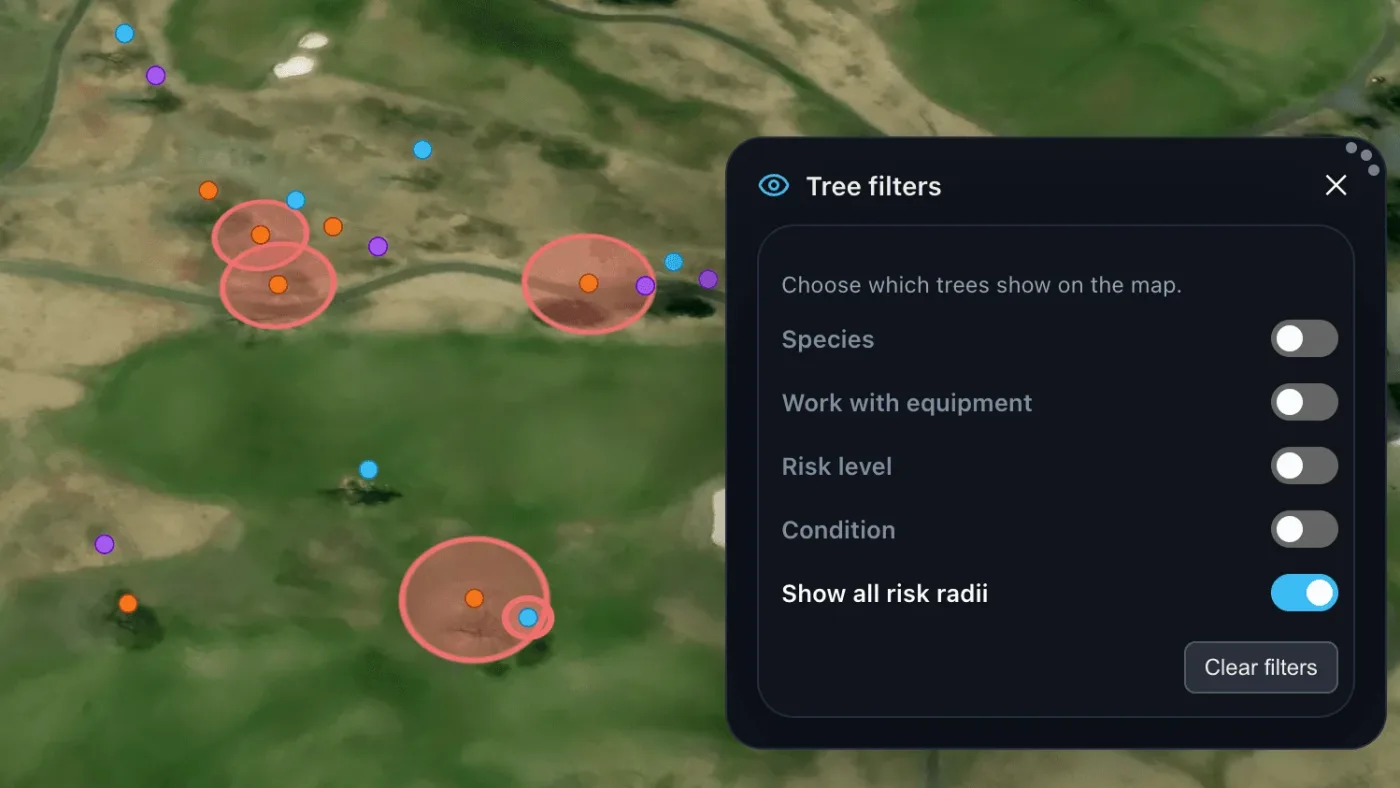
The challenge is that this context rarely lives in one place. An irrigation repair might be marked on an old map. A drainage issue might be remembered by one assistant. A photo might be sitting in someone’s phone. A project detail might be buried in an email thread. A tree concern might be discussed on a course walk and only loosely documented afterward.
None of this happens because teams do not care about record keeping. It happens because the season moves quickly. Work gets done, priorities shift, and documentation often becomes something people plan to circle back to later.
Over time, those small gaps start to matter. The information may still exist somewhere, but it becomes harder to find, explain, and pass on to the next person who needs it.
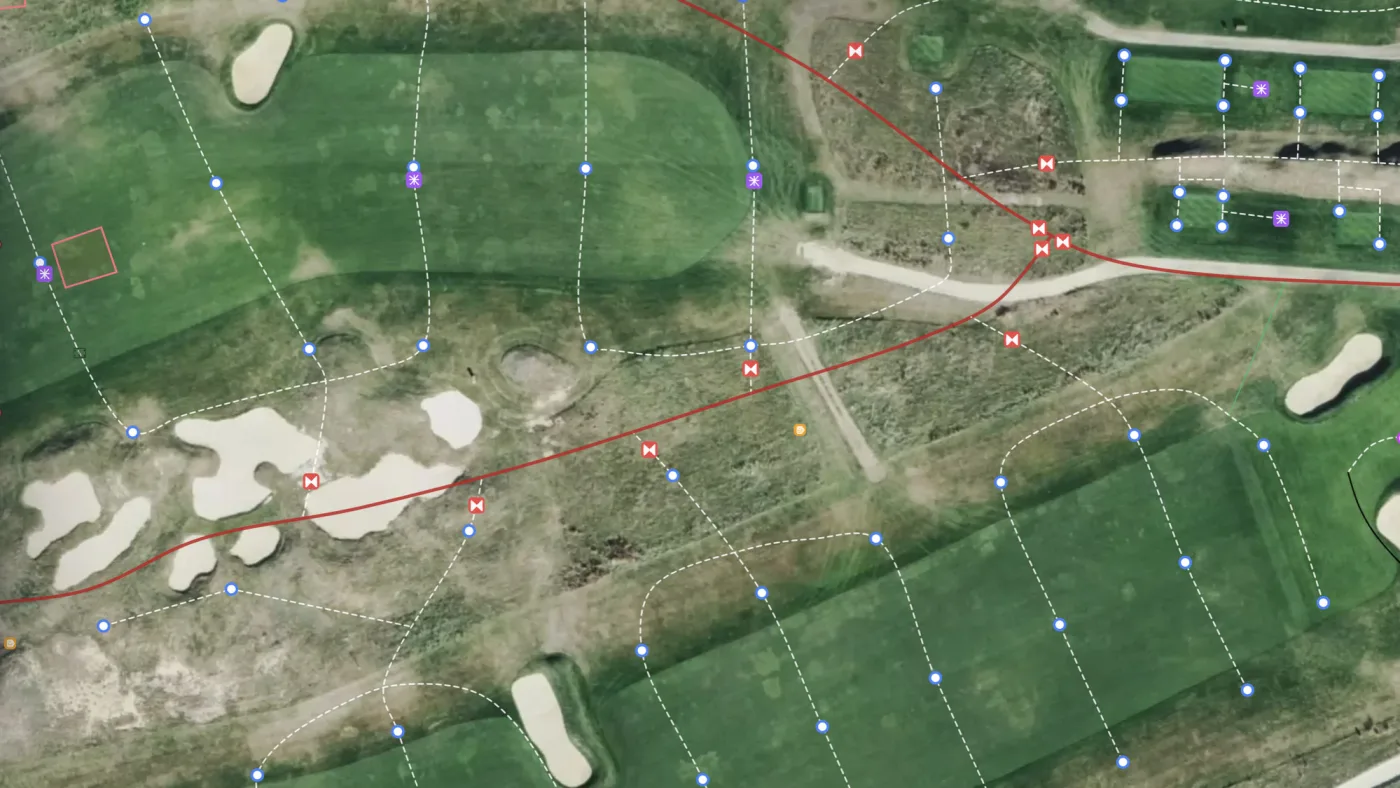
This is where a visual system of record becomes useful. A map keeps course information in one place. It connects repairs, notes, photos, observations, and project history to the exact place on the property where that information matters.
When I asked Adam why visually communicating course information on a map is useful, he put it simply:
“A map creates a common language. Whether I’m working with my assistants, seasonal staff, contractors, or club leadership, being able to visually show an exact location removes a lot of confusion and makes communication more efficient. It also helps turn course knowledge into something that is easier to understand, document, and act on.”
That idea of a common language is important. Golf courses are large, detailed properties, and so much of the work depends on shared understanding.
A superintendent may know exactly which valve, tree, bunker, low area, or repair is being discussed, but that same information is not always obvious to every staff member, contractor, committee member, or future employee.
A map closes that gap. It gives people a shared point of reference. Instead of relying on long descriptions, memory, or assumptions, teams can point to the exact location and attach the relevant history directly to it.
A shared map supports experience rather than replacing it.
The knowledge of a superintendent and their team is still the most important part of managing the property. The goal is to make sure it is captured clearly enough that it can continue to help the property over time.
When course information is documented visually, it becomes easier to train staff, communicate with contractors, explain work to leadership, track recurring issues, and make better decisions based on what has already happened.
Adam also sees this becoming even more important over the next few years:
“I think the biggest practical difference will come from helping turf teams better document institutional knowledge and make faster, more informed decisions. As labor continues to be a challenge, tools that improve communication, simplify record keeping, and make course information accessible to the whole team will become increasingly valuable.”
That is a practical and important point. Labor challenges are not only about having enough people. They are also about making sure the people you do have can understand the property, contribute quickly, and access the information they need without relying entirely on someone else’s memory.
Every course already has institutional knowledge. The question is whether that knowledge is being captured in a way the team can actually use.
That is what has been so encouraging about speaking with leaders like Adam. He understands that better documentation creates clarity for the people working on the property today and preserves knowledge for the people who will be responsible for it in the future.